Mixed-Use Commercial
Mortgage Lenders and Criteria
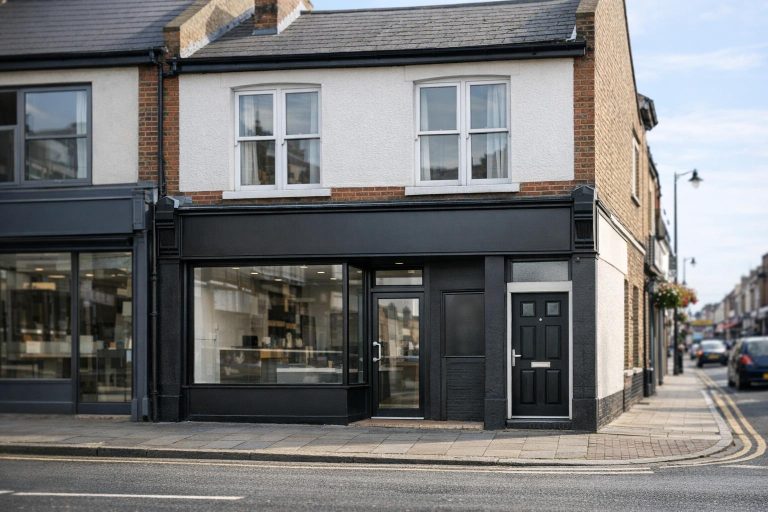
If you’re looking for a mortgage on a property that includes both residential and commercial elements, such as a shop with a flat above, offices with residential units, or a mixed-use investment block, you will typically require a mixed-use commercial mortgage.
However, not all lenders offer mixed-use commercial mortgages, and lender criteria can vary significantly depending on the property type, commercial usage, unit sizes, tenant profile, and overall deal structure.
For example, some lenders may accept flats above takeaways, smaller units below 30 sqm, or more specialist mixed-use properties, while others may decline these transactions entirely.
Understanding which mixed-use commercial mortgage lenders suit different property types is therefore one of the most important parts of arranging finance successfully.
At Advocate Finance, we help borrowers identify suitable lenders for a wide range of mixed-use and semi-commercial property scenarios across the UK.
What Is a Mixed-Use Commercial Mortgage Lender?
A mixed-use commercial mortgage lender is a specialist lender, building society, or bank that provides finance for properties that combine both residential and commercial use within the same title.
Examples can include:
Shops with flats above
Offices with residential accommodation
HMOs above commercial premises
Mixed-use investment blocks
These lenders differ from standard residential mortgage providers because they assess both the residential and commercial aspects of the property when reviewing an application.
Mixed-use commercial mortgage lenders will typically consider:
Rental income from both elements of the property
The type of commercial tenant and business use
The percentage split between residential and commercial space
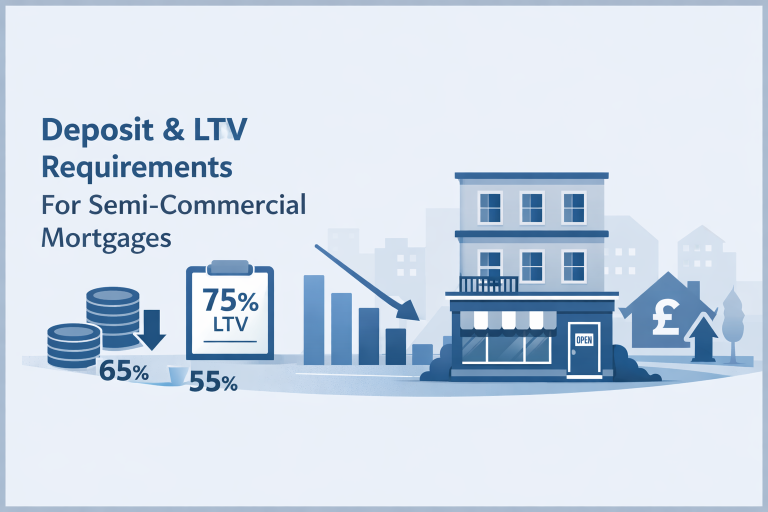
Loan-to-value requirements, which are often between 70% and 75% LTV
Property valuation methodology and overall investment risk
Lender criteria can vary significantly between providers, particularly for more specialist mixed-use properties such as flats above takeaways, smaller units below 30 sqm, or properties with complex ownership structures.
Want to understand how these mortgages work and what terms may be available? See our breakdown of mixed-use mortgage loans.
Who Offers Mixed-Use Commercial Mortgages in the UK?
Mixed-use commercial mortgages are available through a combination of high street banks, building societies, challenger banks, and specialist commercial lenders.
Some high street lenders may consider mixed-use properties where the residential element is dominant and the property fits relatively standard criteria. However, more specialist mixed-use properties often require lenders with greater flexibility and experience within the semi-commercial market.
Specialist lenders may be more open to:
Flats above commercial premises
HMOs above shops or offices
Smaller units below 30 sqm
More complex ownership structures
Higher commercial value splits
Specialist tenant types or property uses
Lender criteria can vary significantly between providers, which is why identifying the correct lender at the outset is important.
Many mixed-use commercial mortgage lenders also operate primarily through brokers rather than dealing directly with the public. Working with a specialist broker can therefore provide access to a wider range of lenders and help avoid unnecessary declined applications where criteria are not suitable.
What Lenders Typically Look For
When assessing a mixed-use commercial mortgage application, lenders will review both the residential and commercial aspects of the property, along with the borrower’s overall experience and financial position.
Some of the key areas mixed-use commercial mortgage lenders typically consider include:
The percentage split between residential and commercial use
The type of commercial tenant and business operating from the property
Rental income from both the residential and commercial elements
Property location and local demand
Unit sizes, particularly flats below 30 sqm
Loan-to-value requirements and deposit levels
Borrower experience with investment or commercial property
The overall condition and marketability of the building
Certain lenders may also have restrictions around specific commercial uses, such as takeaways, bars, or late-night businesses, while others may be more flexible depending on the overall strength of the case.
Understanding lender criteria early in the process can help avoid unnecessary declined applications and improve the chances of securing suitable finance terms.
We’ll Help Match You to the Right Lender
At Advocate Finance, we work with a wide panel of mixed-use commercial mortgage lenders and can help identify suitable options based on your property type, investment structure, and borrowing requirements.
Working with a specialist broker can help:
Compare available interest rates and lending terms
Identify lenders whose criteria suit the property
Present the case clearly to underwriters
Avoid unnecessary declined applications
Access lenders and products not always available directly on the high street
Whether the property involves flats above commercial premises, HMOs above shops, smaller units, or more specialist mixed-use arrangements, understanding lender appetite can make a significant difference to the finance options available.
You can also take a look at one of our semi-commercial lending case studies to see examples of transactions we have helped arrange.
Ready To Take The Next Step?
Get in touch today to explore your options for
Find the Right Lender for Your Mixed Use Mortgage
Our expert team of mortgage brokers are here to guide you through every stage of the process.





 Current Bank Base Rate: 3.75%

 01206 544333