01206 544333
Short answer, often yes, but it is a very specialised area of mortgage regulation and expert advice is needed. Some lenders will allow you to live in the flat while the commercial unit is let or used for a business. The right finance depends on how you plan to use the building, how much of it is residential versus commercial, and whether the mortgage will be classed as regulated or unregulated. If the lender treats your case as regulated, they will assess personal affordability in more depth, not just rental income.
When the mortgage is regulated and when it is not
If you intend to live in the residential element as your main home, some lenders will treat the loan as regulated. Expect more emphasis on personal income, credit profile, and monthly outgoings, alongside rents. Suppose you will not live there, or the residential element is not your main residence. In that case, the loan is usually unregulated, with affordability driven by rental income from the shop and the flat. Either way, this sits in semi-commercial territory, not standard buy-to-let. For an overview of how these products work, see our page on semi-commercial mortgages.
How lenders assess affordability
- Lenders combine several inputs.
- Residential rent, where applicable, using a stress rate similar to buy-to-let tests.
- Commercial rent, taking the lease terms and covenant strength into account.
- Personal income is more important if you plan to live there.
- They will also look at void allowances, service charges, insurance, and any business rates on the unit. The stronger and longer the commercial lease, the easier it is to reach the required coverage.
The residential and commercial split
The split matters for valuation and criteria. A property that is majority residential can access a wider pool of lenders than one that is heavily commercial. Surveyors may value on a single lot basis or an aggregated basis. The method affects maximum loan-to-value, pricing, and exit options. Lenders also care about the commercial use, for example, pharmacies and convenience retail often score better than late-night takeaways due to perceived resilience.
Typical deposit, LTV, and ownership
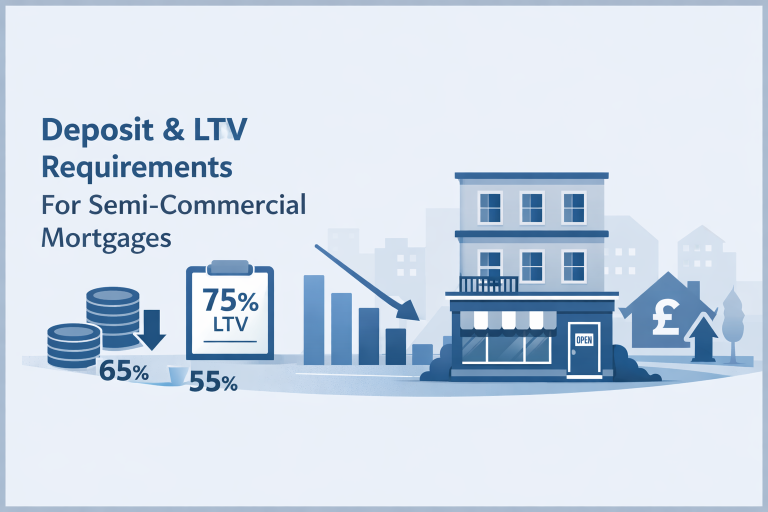
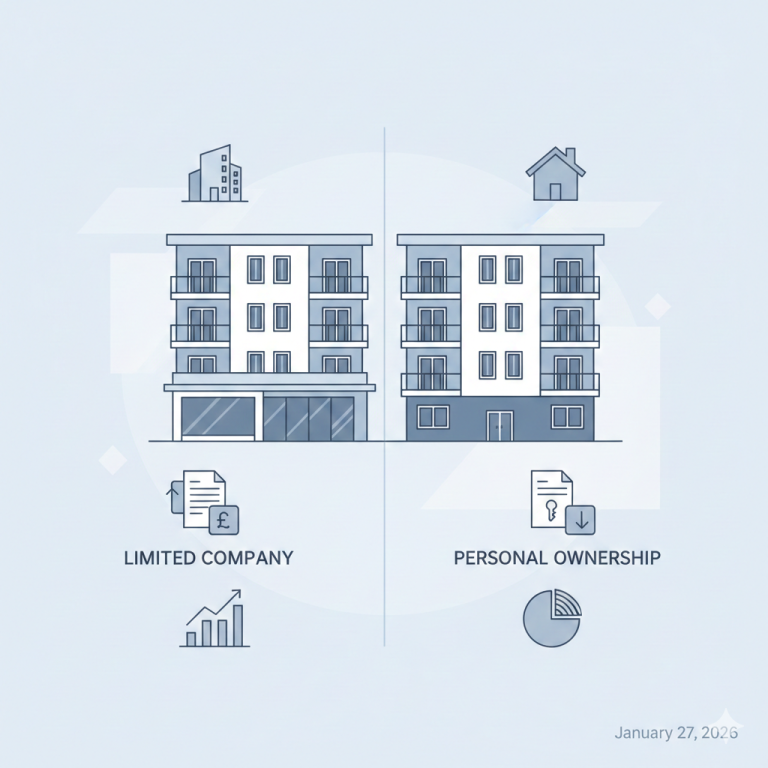
Up to 75% LTV is common but 65% LTV if you will live there. Larger deposits are likely where the commercial lease is short or vacant. Purchases can be in personal names or a company. If you plan to live in the flat, check whether the chosen lender permits owner occupation in a company structure.
Legal and compliance essentials
Confirm the planning use classes, check for any restrictions on residential occupation, and ensure building control sign off on any works. Fire safety and means of escape are critical. Separate utilities and access improve lender appetite. Insurance must cover mixed use, and your solicitor will confirm title, boundaries, and any rights of way.
Three common scenarios and the finance that fits
Live in the flat, rent out the shop. You will likely need a semi-commercial mortgage with regulated underwriting, and rental income still helps the numbers.
Rent both units, do not live there. An unregulated semi-commercial mortgage with income tested on both leases.
Buy, refurbish, refinance, then decide. If works are needed, you can fund purchase and improvements, then refinance once the flat and the shop are lettable. If you use a recycle your capital approach, see our outline of the Buy Refurbish Refinance Rent method.
Pros and cons of living above the shop
Pros: Combined income streams, potential for higher overall yield, ability to be close to your business, flexibility to improve and add value.
Cons: Fewer lenders than standard buy-to-let, potentially higher deposit, more complex legal and insurance needs, and some commercial uses can limit buyer demand.
How Advocate Finance could help
We map your intended use to the right route, regulated or unregulated. We source lenders comfortable with your commercial tenant type and lease length. If speed is vital, we can explore bridging with a planned refinance. If your goal is long-term hold, we focus on stability, rate, and covenants. For a deeper primer on this niche, start with our guide to semi-commercial mortgages.
Key takeaways
Yes, living in the residential part is often acceptable; the loan type and tests depend on use. The lease on the shop and the quality of the flat drive affordability and valuation. Good preparation, clear plans, and the right lender short list make approval far smoother.
Ready to explore your options for a semi-commercial mortgage? Contact Advocate Finance today on 01206 544333 or complete our quick enquiry form to arrange a free assessment with one of our advisers.