01206 544333
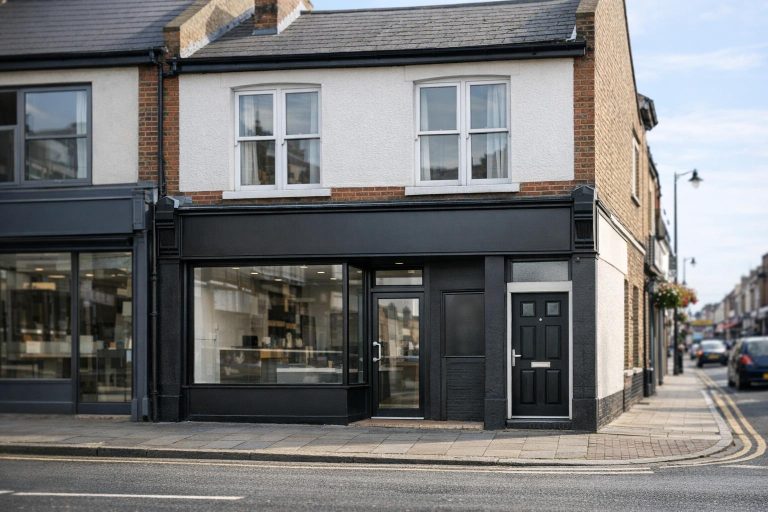
Investing in semi-commercial property can be an effective way of diversifying across the UK property market. These mixed-use properties combine both residential and commercial elements within the same building, such as flats above shops, offices with residential accommodation, or HMOs above retail units.
While semi-commercial mortgage rates are typically higher than standard residential buy-to-let products, investors can benefit from multiple income streams and potentially longer commercial lease agreements where strong tenants are in place.
As the semi-commercial market has evolved, specialist lenders have become increasingly important. Not all mortgage providers will accept the same property types, tenant profiles, unit sizes, or ownership structures, which is why understanding lender criteria is critical when arranging finance.
.
.
What Is a Semi-Commercial Mortgage?
Semi-commercial mortgage providers can include:
- Specialist commercial lenders
- Challenger banks
- Building societies
- Specialist buy-to-let lenders with mixed-use products
However, lender appetite can vary significantly depending on:
- The percentage split between residential and commercial use
- The type of commercial tenant
- Unit sizes
- Property location
- The borrower’s experience
- Rental income profile
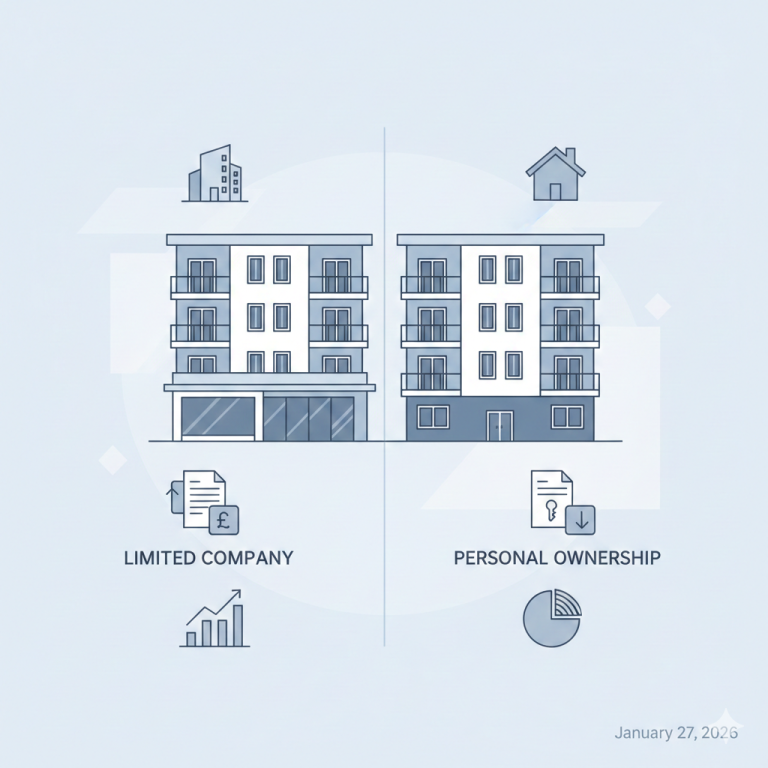
- Whether the property is held personally or within a limited company
This is why many borrowers choose to work with a specialist semi-commercial mortgage broker rather than approaching lenders individually.
.
Why Lender Criteria Matters
One of the biggest misconceptions in the market is that all semi-commercial lenders assess properties in the same way. In reality, criteria can vary substantially between providers.
For example:
- Some lenders will not accept flats below 30 sqm
- Some lenders may decline properties above certain commercial uses such as takeaways or late-night businesses
- Some lenders value blocks differently depending on whether they assess the block as a whole or based on the individual unit values
- Some lenders require a minimum residential percentage, while others do not
Accessing the right lender can therefore make a significant difference to both borrowing options and interest rates.
.
Semi-Commercial Mortgage Scenarios We Help Arrange
At Advocate Finance, we regularly arrange finance for a wide range of mixed-use property types, including:
- 16 flats and 7 shops, with all flats below 30 sqm
- 4 flats above a Chinese takeaway
- 6-bed HMO above a tattoo parlour
- 9 flats above office premises
These are often scenarios where mainstream lenders may struggle, but specialist semi-commercial mortgage providers may still consider the transaction.
.
How Semi-Commercial Properties Are Valued
Valuation methodology is another area where lender choice becomes important.
Some lenders assess a mixed-use property based on the overall block value, while others may allow the valuation to be based on the aggregate value of the individual units, as if each flat were held separately on long leases.
In some situations, the block valuation can be 10–15% lower than the aggregate value, which can impact loan-to-value calculations and available borrowing.
Choosing the right lender can therefore influence both valuation outcomes and borrowing capacity.
.
Semi-Commercial Mortgage Loan-to-Value Ratios
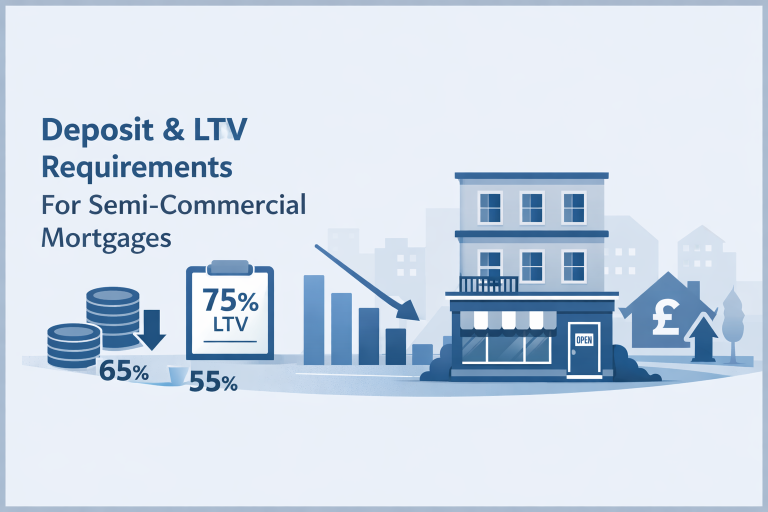
Most semi-commercial mortgage providers will typically lend up to 75% loan-to-value (LTV), based on the vacant possession value of the property.
This is often available on an interest-only basis for investment properties.
However, loan terms and LTVs can vary depending on:
- Property type
- Commercial usage
- Borrower experience
- Tenant profile
- Rental coverage
- Overall deal structure
.
Speed of Completion and Specialist Lending Options
In certain cases, specialist lenders may also offer solutions that help speed up the transaction process.
For example, some lenders can utilise title insurance during the legal process, which can reduce the need for full searches and allow completion shortly after mortgage offer issuance in suitable cases.
This can be particularly useful for:
- Time-sensitive purchases
- Auction transactions
- Refinancing deadlines
- Complex ownership structures
.
Semi-Commercial Versus Fully Commercial Lending
It is not always straightforward determining whether a property will be classed as semi-commercial or fully commercial.
For example: 2 flats worth £125,000 each above a commercial unit worth £300,000.
Some lenders may classify this as a fully commercial property due to the dominant commercial value, resulting in higher commercial mortgage rates.
However, certain semi-commercial mortgage providers may still proceed under mixed-use criteria, provided there is a genuine residential element within the building.
Again, lender selection becomes extremely important in these scenarios.
.
Why Use a Semi-Commercial Mortgage Broker?
Working with a specialist broker can help borrowers:
- Access a wider range of semi-commercial mortgage providers
- Avoid lenders whose criteria do not fit the property
- Structure the application correctly from the outset
- Improve efficiency during underwriting
- Identify more competitive lending solutions
Semi-commercial lending is a specialist area of the market, and understanding lender appetite can save significant time and reduce unnecessary declined applications.
.
Final Thoughts
Semi-commercial property finance can offer attractive long-term investment opportunities, particularly for investors seeking multiple income streams and diversified property portfolios.
However, lender criteria within the mixed-use market can vary significantly. Factors such as unit size, commercial usage, valuation methodology, and property structure can all influence which lenders are available and what terms can be achieved.
Understanding which semi-commercial mortgage providers suit a particular transaction is therefore one of the most important parts of the process.
.
How Advocate Finance Can Help
At Advocate Finance, we specialise in semi-commercial property mortgages and mixed-use property finance across a wide range of scenarios.
Whether you are purchasing a new investment, refinancing an existing property, or dealing with a more specialist case involving small flats, unusual commercial tenants, or complex structures, we can help review the options available and identify suitable lenders for your circumstances.
We provide a free initial assessment on all enquiries.
We provide a FREE assessment on all our services.
Please contact me directly for more information, or use the Get in Touch With Us Today feature at the bottom of this page.